Effluent Decontamination System
Explore Astell Scientific Effluent Decontamination Systems (EDS) designed for the controlled thermal treatment and decontamination of aqueous liquid waste generated by high-containment and specialist laboratory facilities.
Effluent Decontamination Systems provide a controlled process for treating contaminated liquid effluent before discharge from containment areas. These systems are particularly suited to BSL-3 facilities, high-containment laboratories and specialist biological research environments where liquid waste requires controlled decontamination.
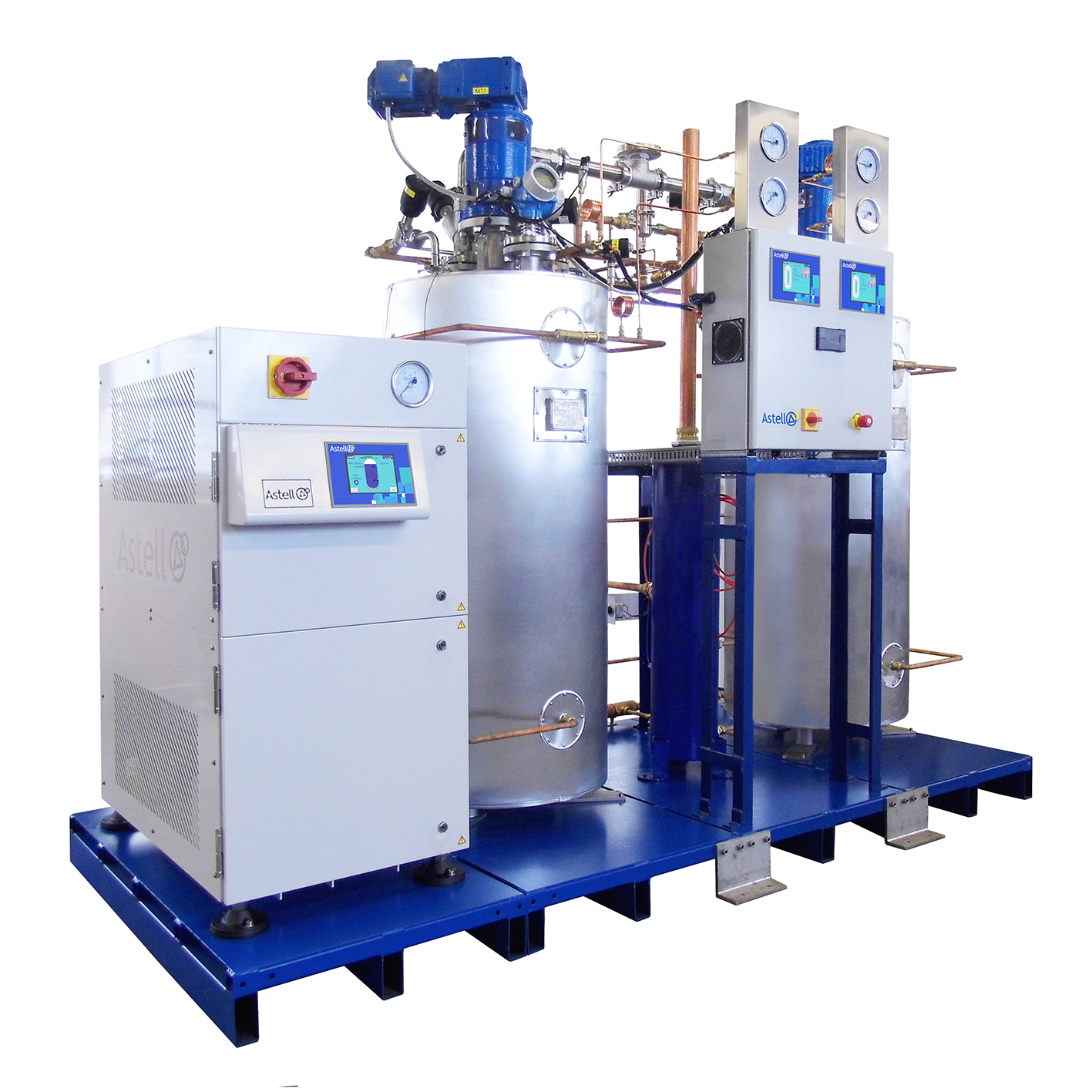
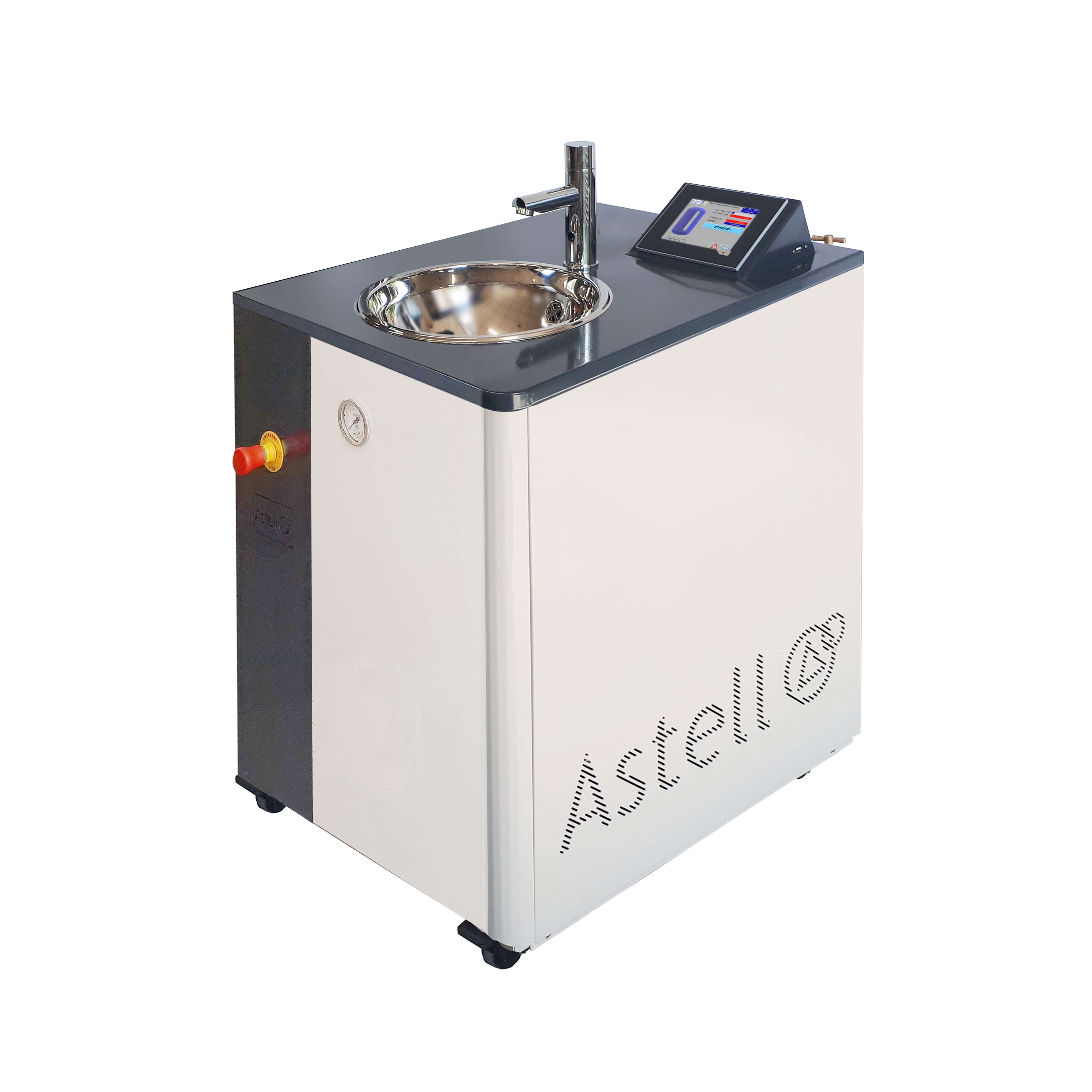
Astell Scientific EDS solutions can be configured to treat aqueous effluent generated from sources such as laboratory sinks, wash basins, showers, cleaning facilities and sterilization equipment within containment areas. The system configuration can be designed according to the facility's effluent characteristics, throughput and operational requirements.
The batch EDS configuration can incorporate a sterilization tank together with one or more holding tanks. Multiple-tank configurations can allow incoming effluent to continue collecting while another tank undergoes the treatment cycle, supporting continuous facility operation. Single-tank configurations may also be suitable for specific applications.
Systems can be configured with different sterilization tank capacities and tank arrangements, depending on the required effluent throughput and facility requirements. Larger or customised configurations can be considered for specialist projects.
Depending on the configuration, features may include programmable touchscreen controls, temperature and pressure monitoring, over-temperature protection, pump monitoring, stainless-steel pipework, data recording or printing and dedicated steam generation.
Astell Scientific EDS systems are suitable for BSL-3 laboratories, high-containment research facilities, biotechnology facilities, specialist biological laboratories and other environments requiring controlled treatment of contaminated aqueous effluent.
When selecting an EDS, consider the effluent type, daily and peak flow rate, treatment requirements, tank capacity, number of tanks, facility layout, steam supply, drainage requirements, control and monitoring requirements, validation requirements and applicable biosafety procedures.
2 Products